






Nikita Kadan: A New Integrity
A New Integrity is a multidisciplinary project by Ukrainian artist Nikita Kadan that brings together sculpture, sound design, theater and oral history to consider the way in which trauma reshapes personal integrity.
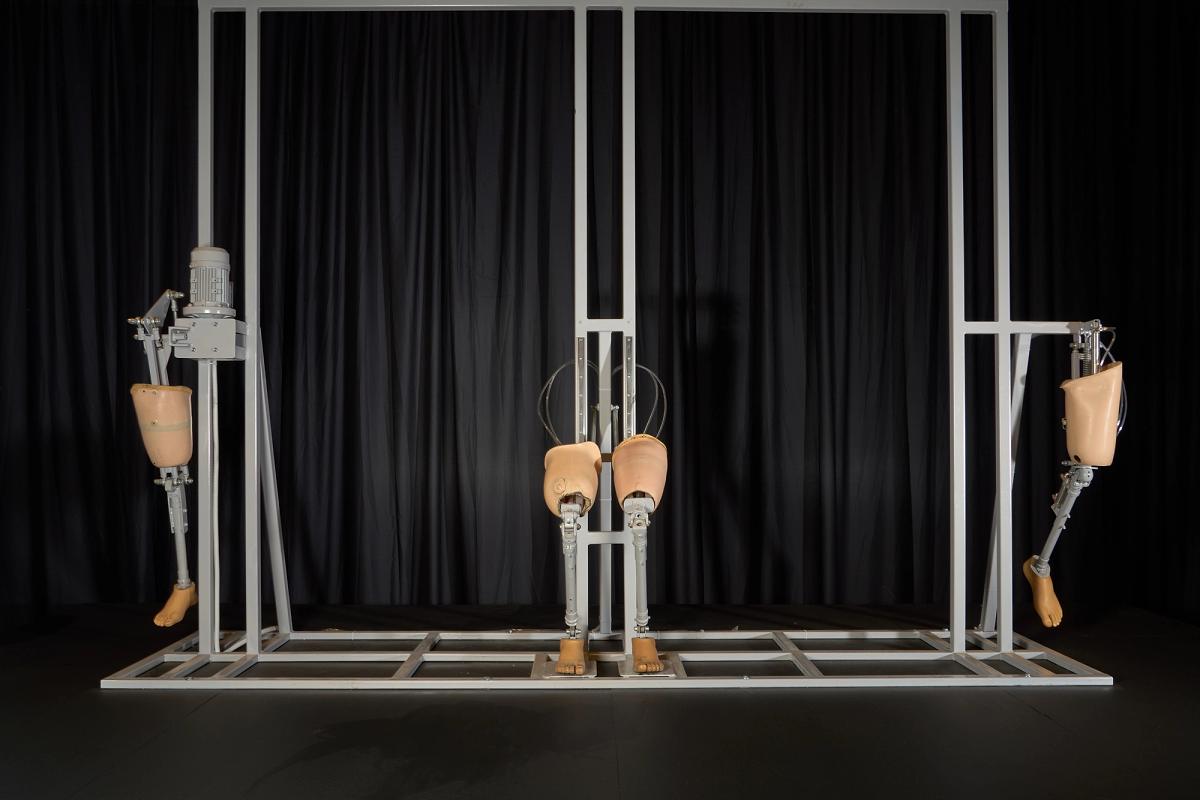
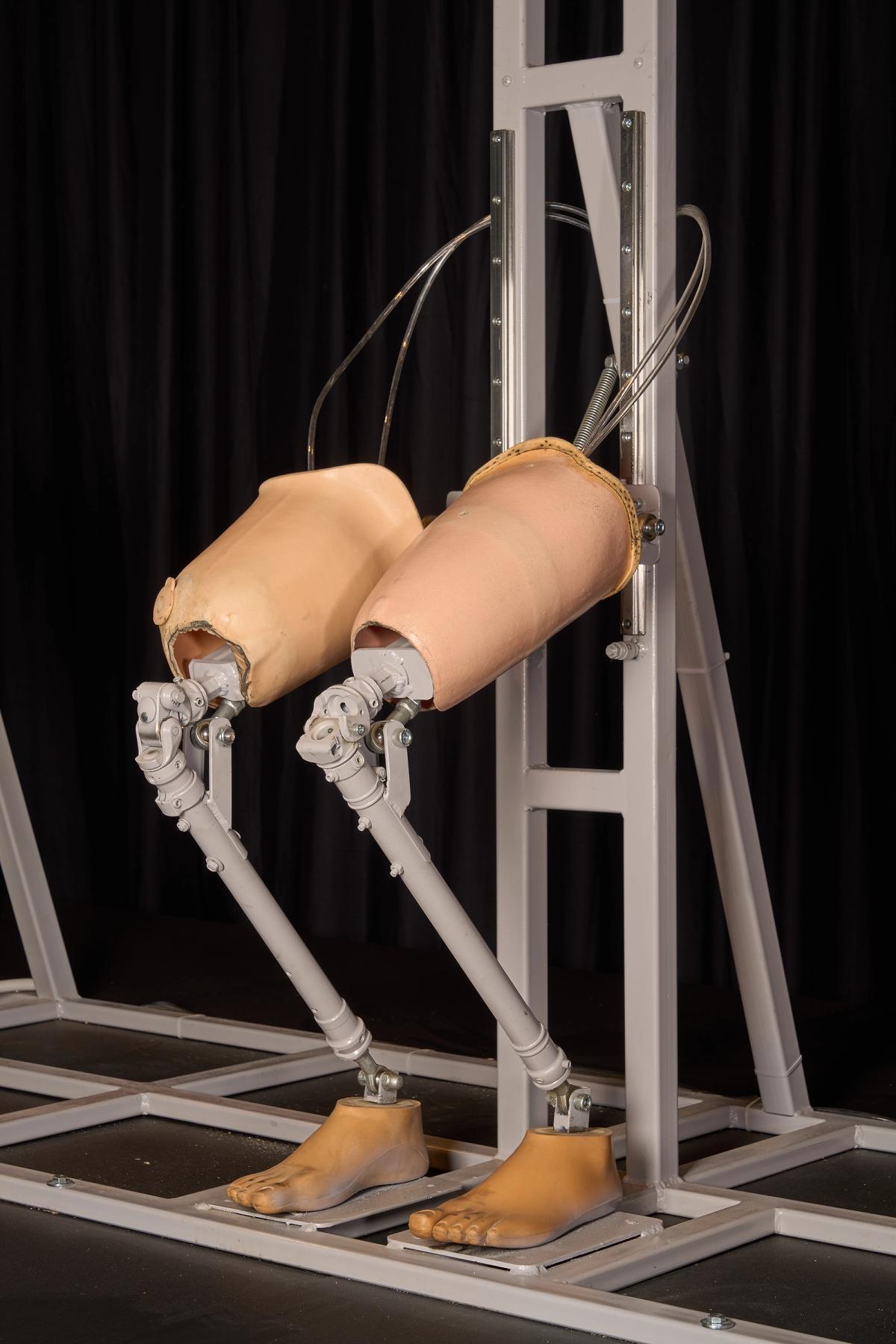
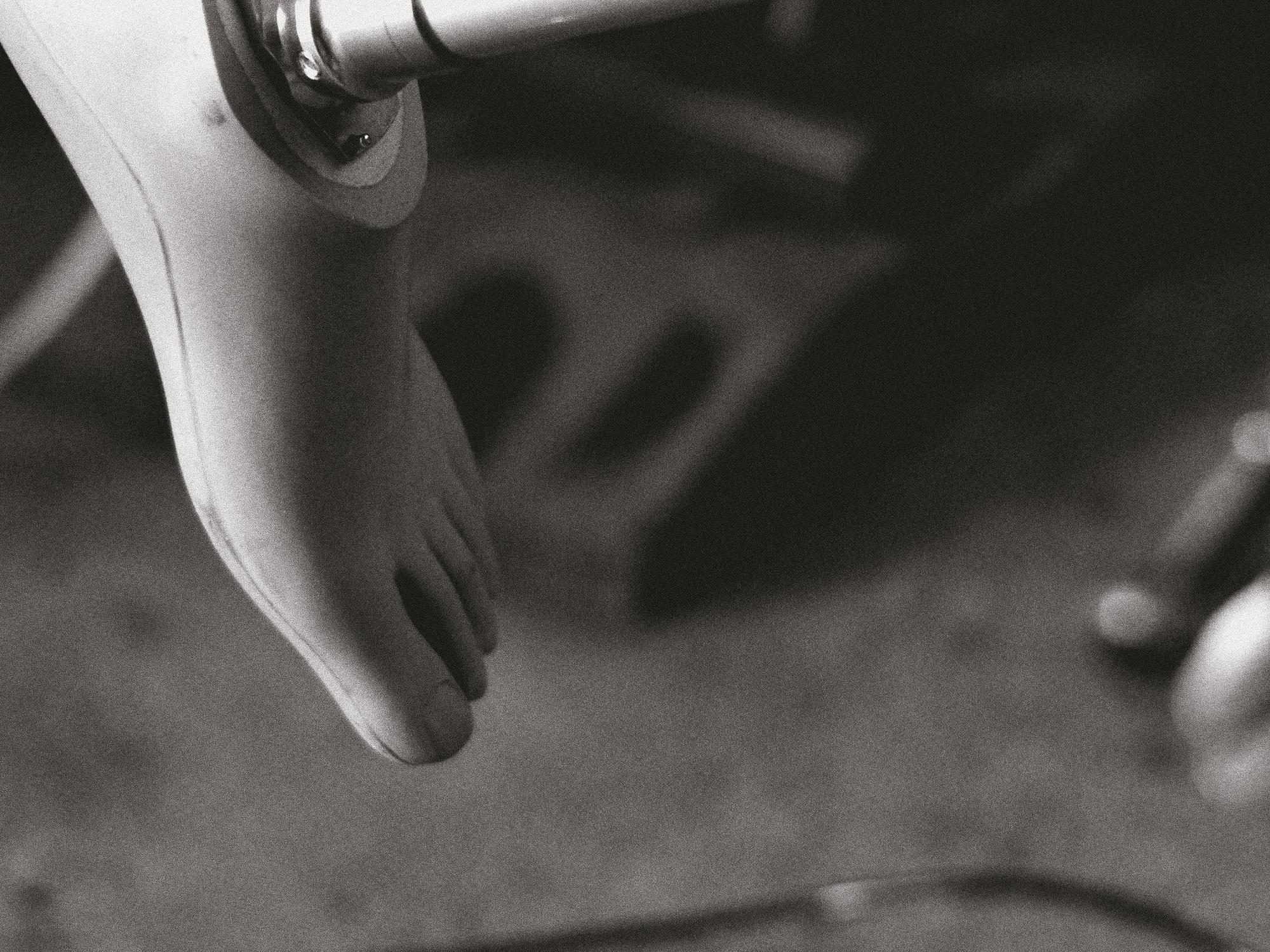
Engaging with loss, resilience and recovery in a society living through war, the work seeks a language for experiences that are at once widely shared and deeply personal. Prosthetics are treated not only as functional substitutes, but as visible markers of lived experience; Kadan describes them as “witnesses”—objects that give form to trauma, change and survival. In A New Integrity the human body is deliberately removed from view, disrupting habitual ways of looking at disability and shifting attention to lived experience and the diverse challenges of rebuilding a life after injury.
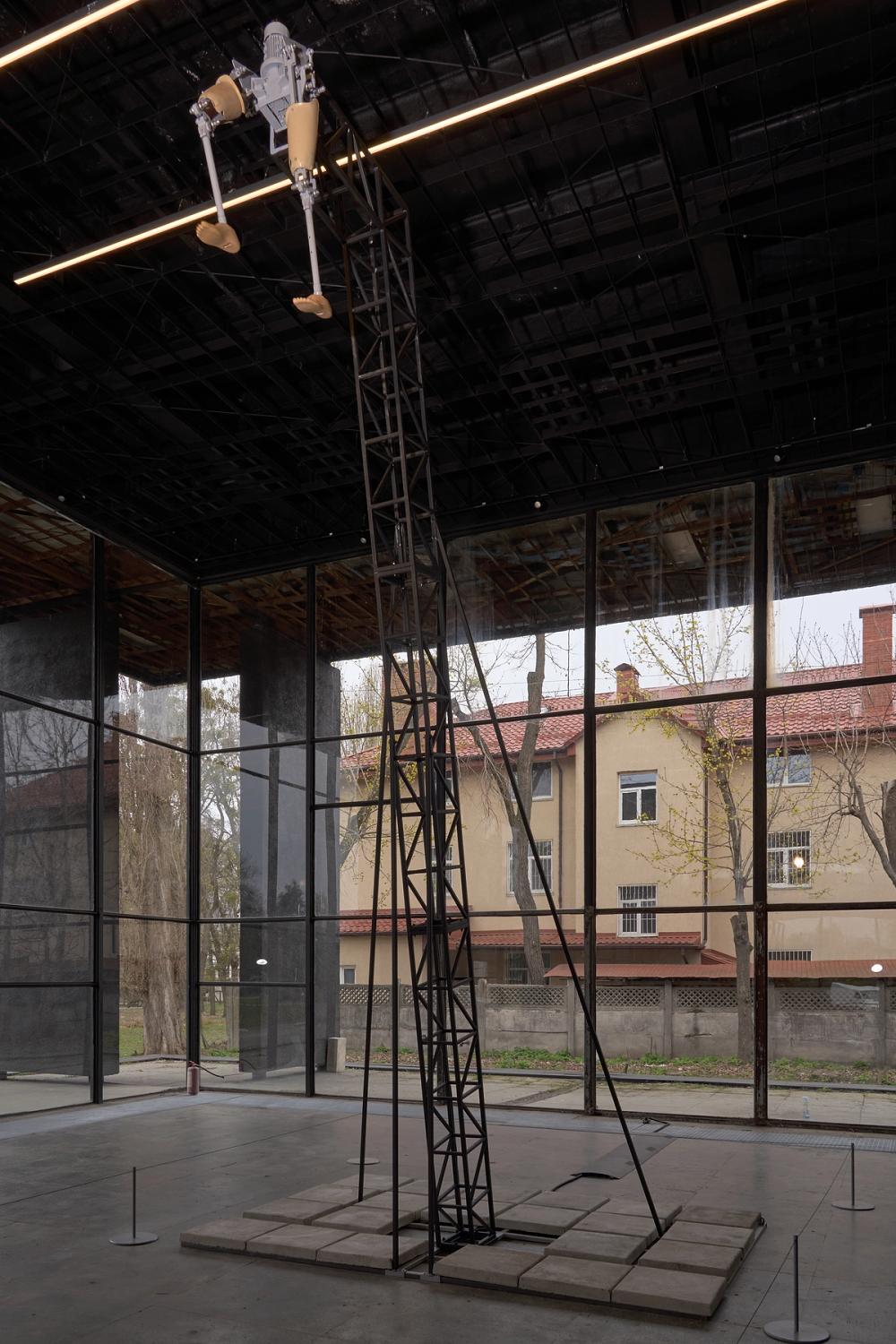
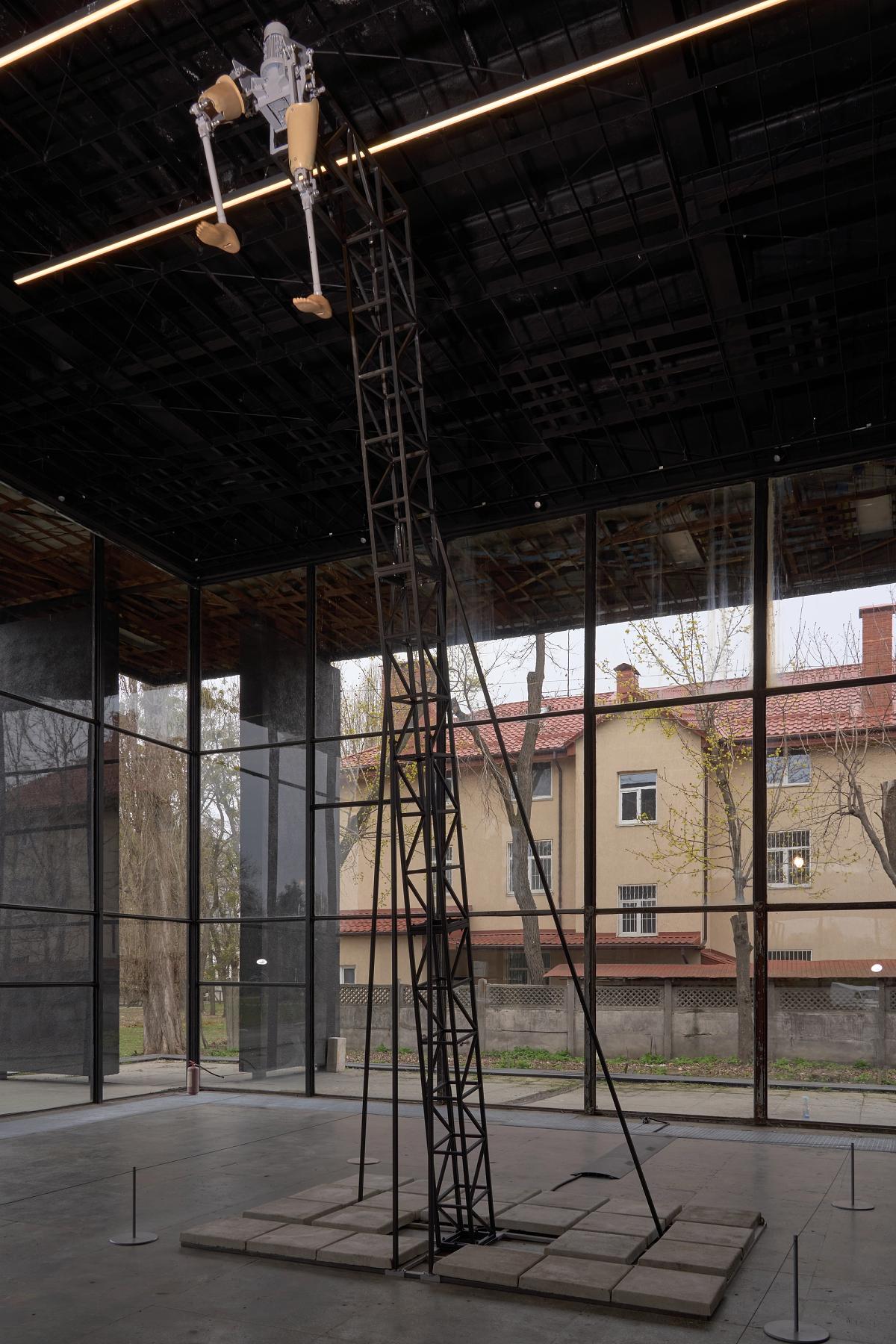
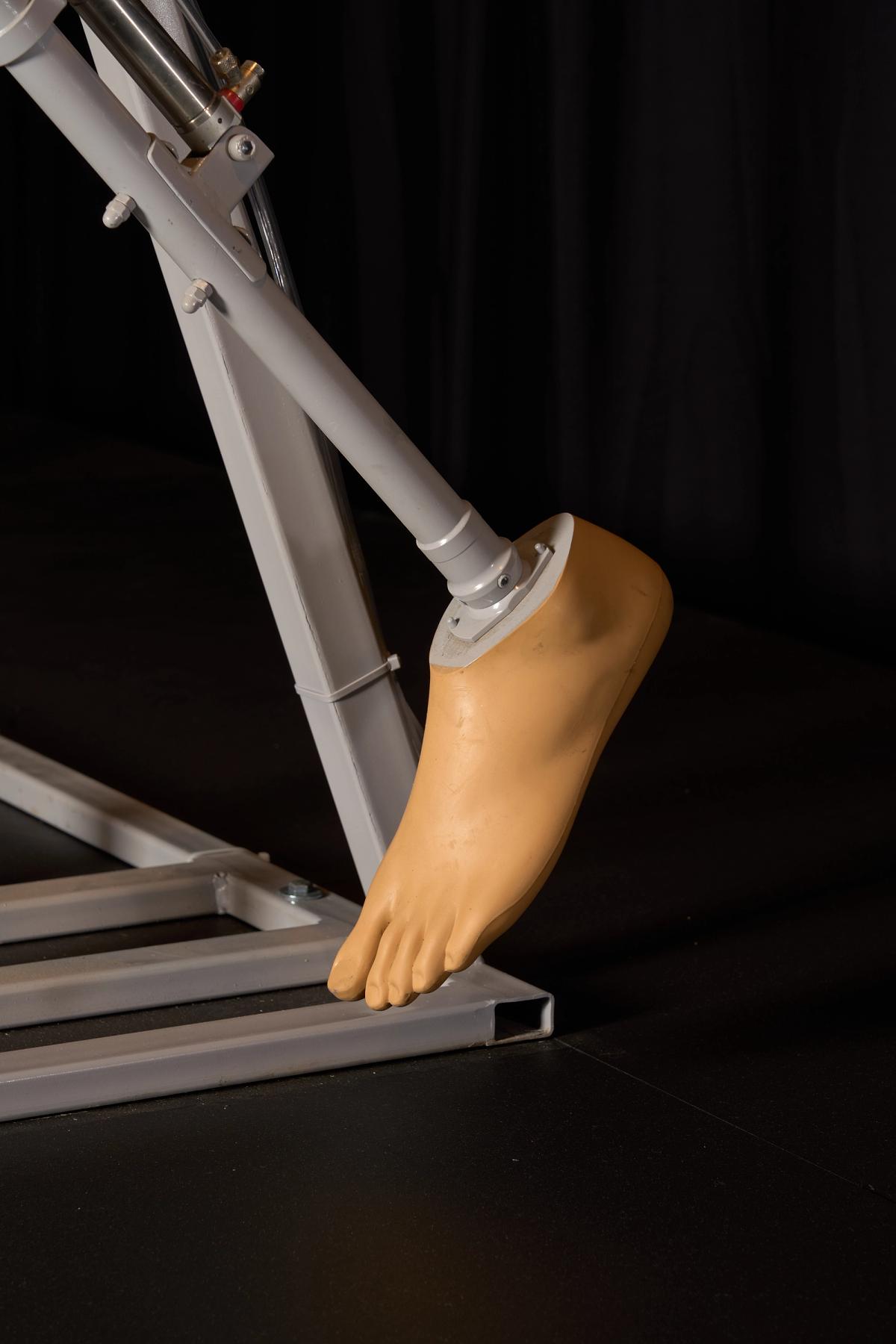
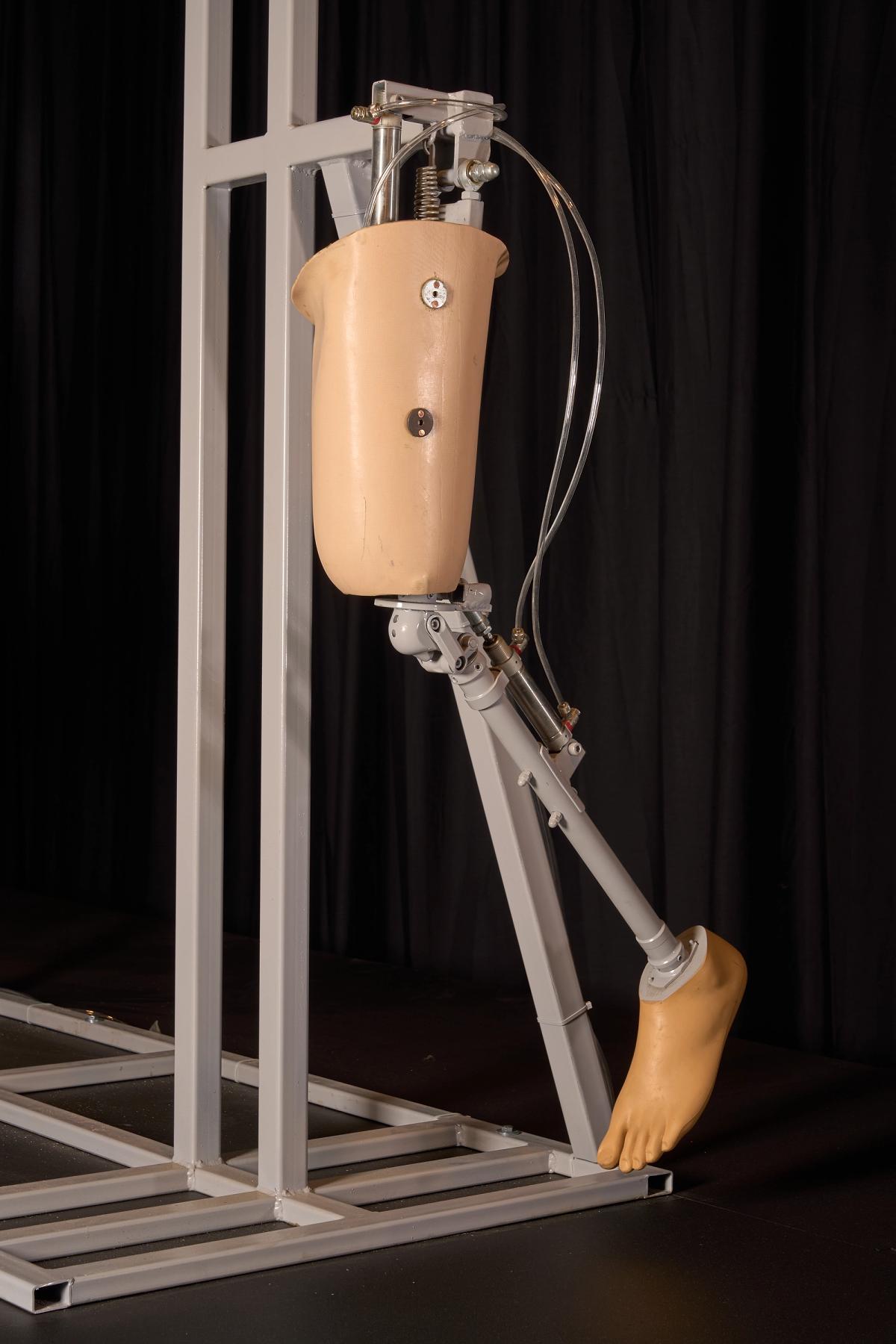
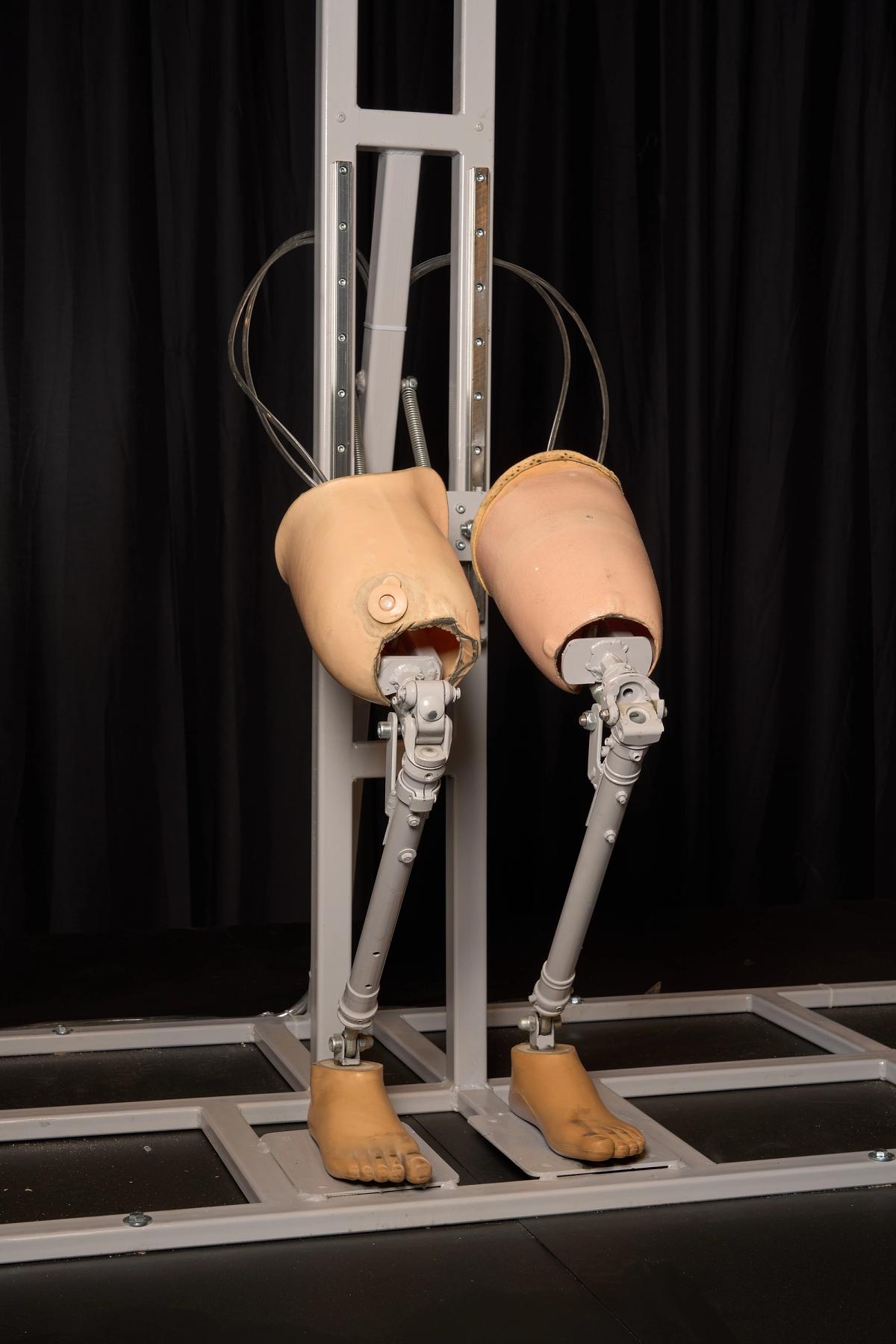
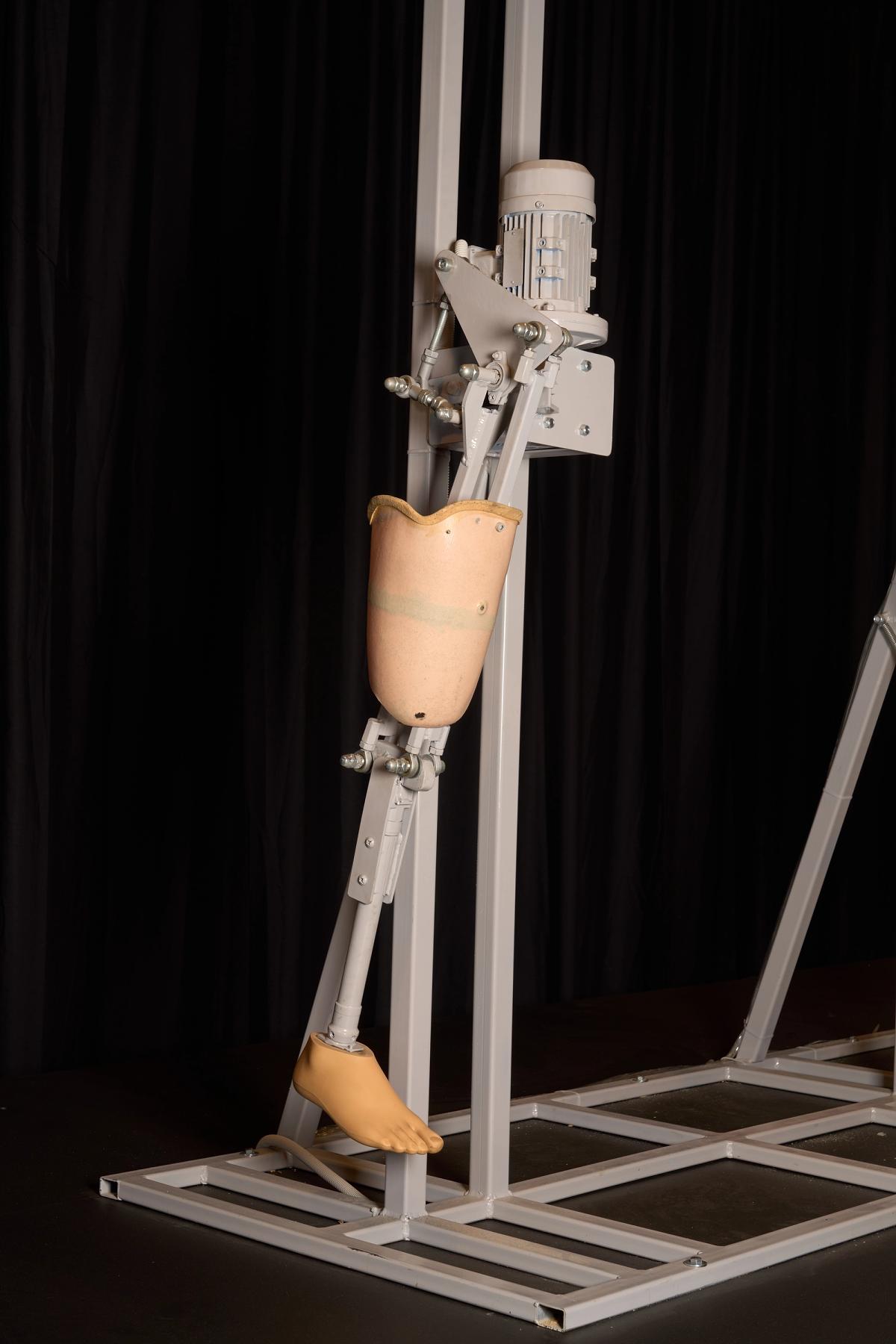
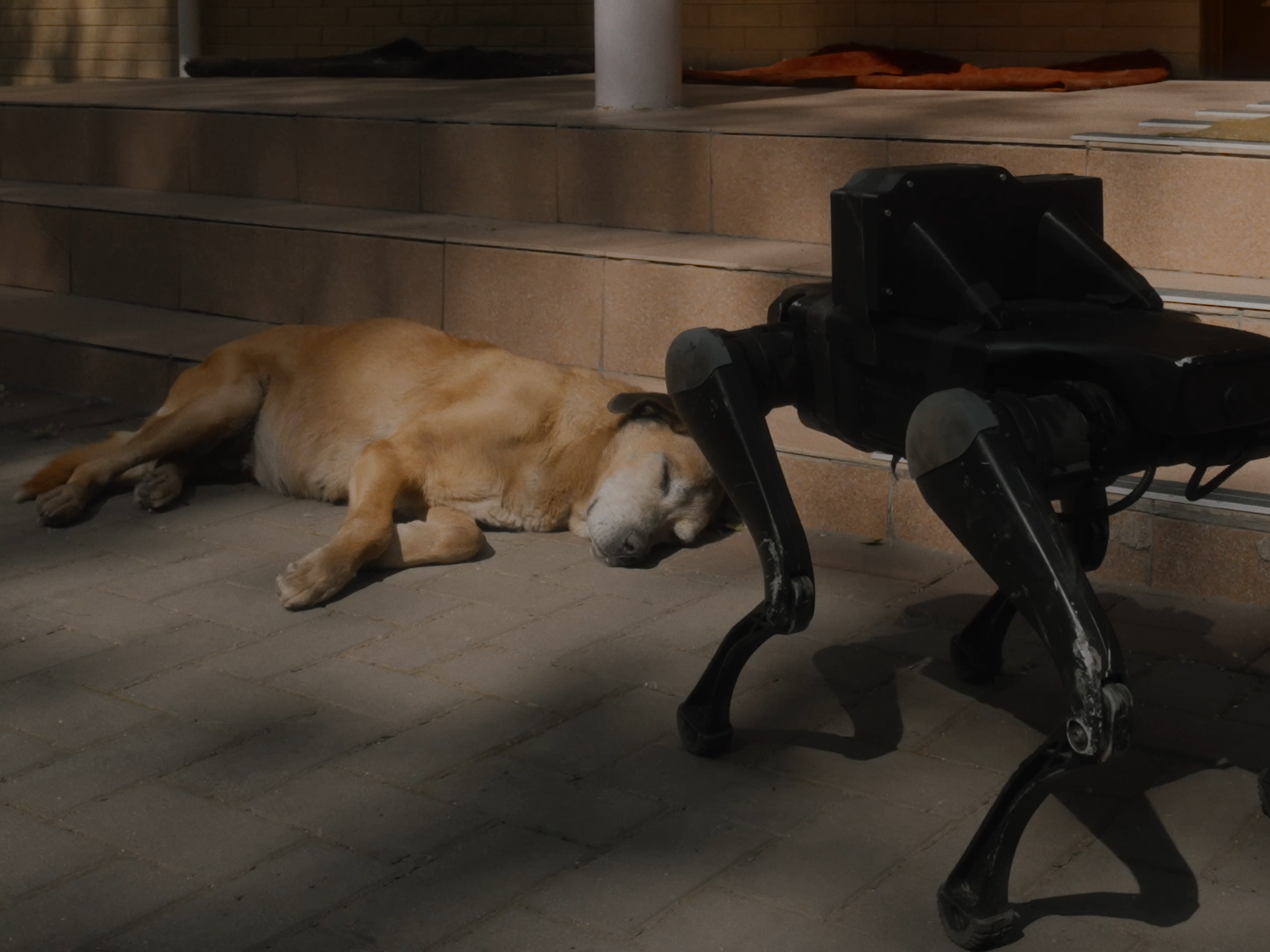
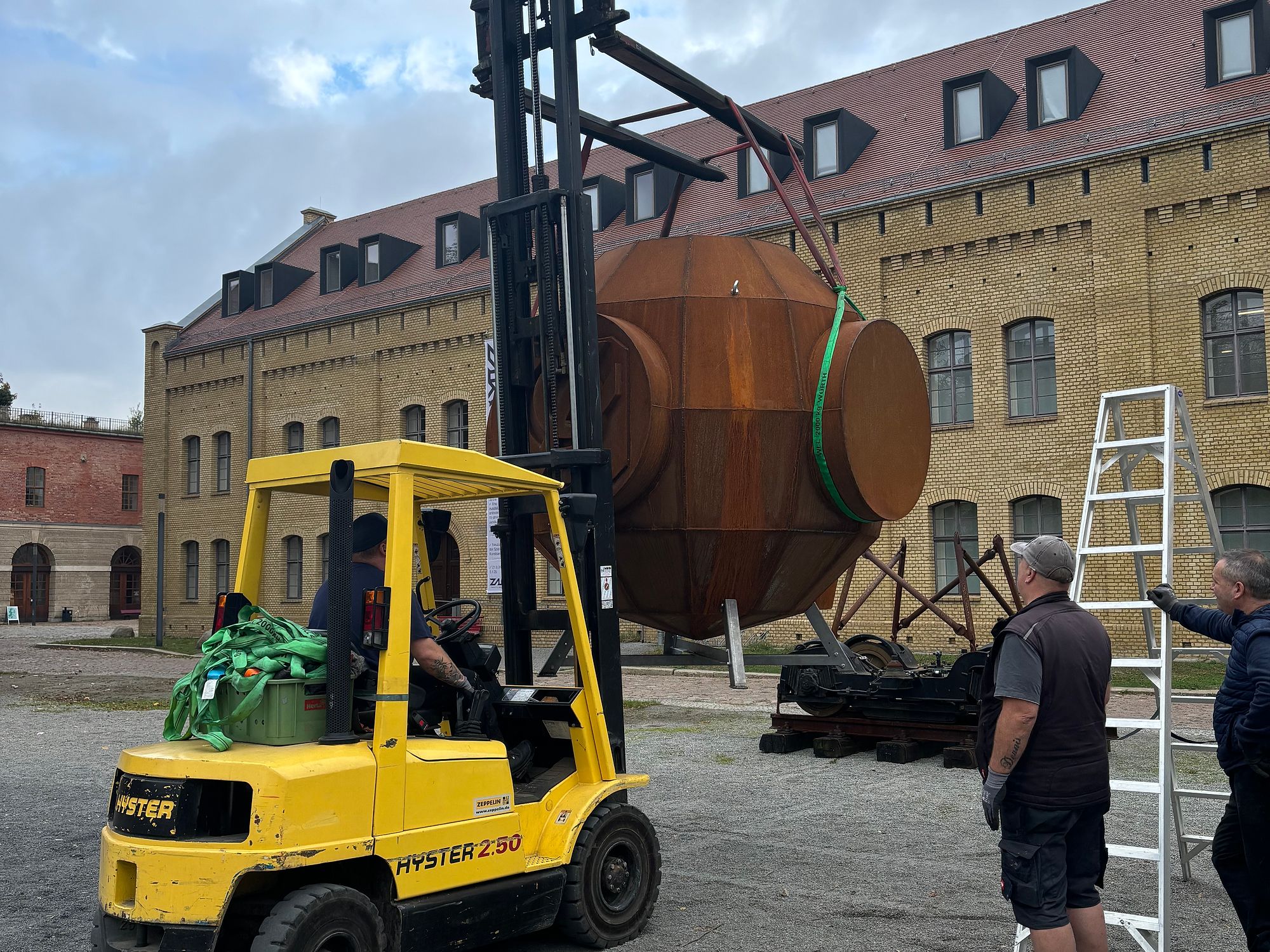
At the center of the installation, kinetic sculptures assembled from prosthetic limbs operate like a theater of automatons or temporary avatars for their human users. They perform slow, repetitive movements that follow the rhythms of rehabilitation: repetition, endurance, frustration and adjustment. Nearby, a pair of prosthetic legs runs continuously in mid-air. Suspended in an endless present, their relentless motion reflects the ongoing labour of regaining physical and emotional integrity after injury, while also offering a close view of the prosthetic body’s athletic potential.
Kadan’s sculptures move to a soundscape composed by artist Clemens Poole, which weaves together the testimonies of four veterans interviewed for the work by Sofia Lavreniuk Sociology Ph.D. A specialist in trauma-informed care and founder of disability charity ‘On Equals,’ Lavreniuk employs a person-centred interview practice which prioritises the physical, psychological and emotional safety of participants, helping to prevent re-traumatization, while gathering accurate information. Transcribed verbatim and edited into a single text by the artist, the veterans’ deeply intimate monologues offer varied perspectives on duty, injury and life in recovery.
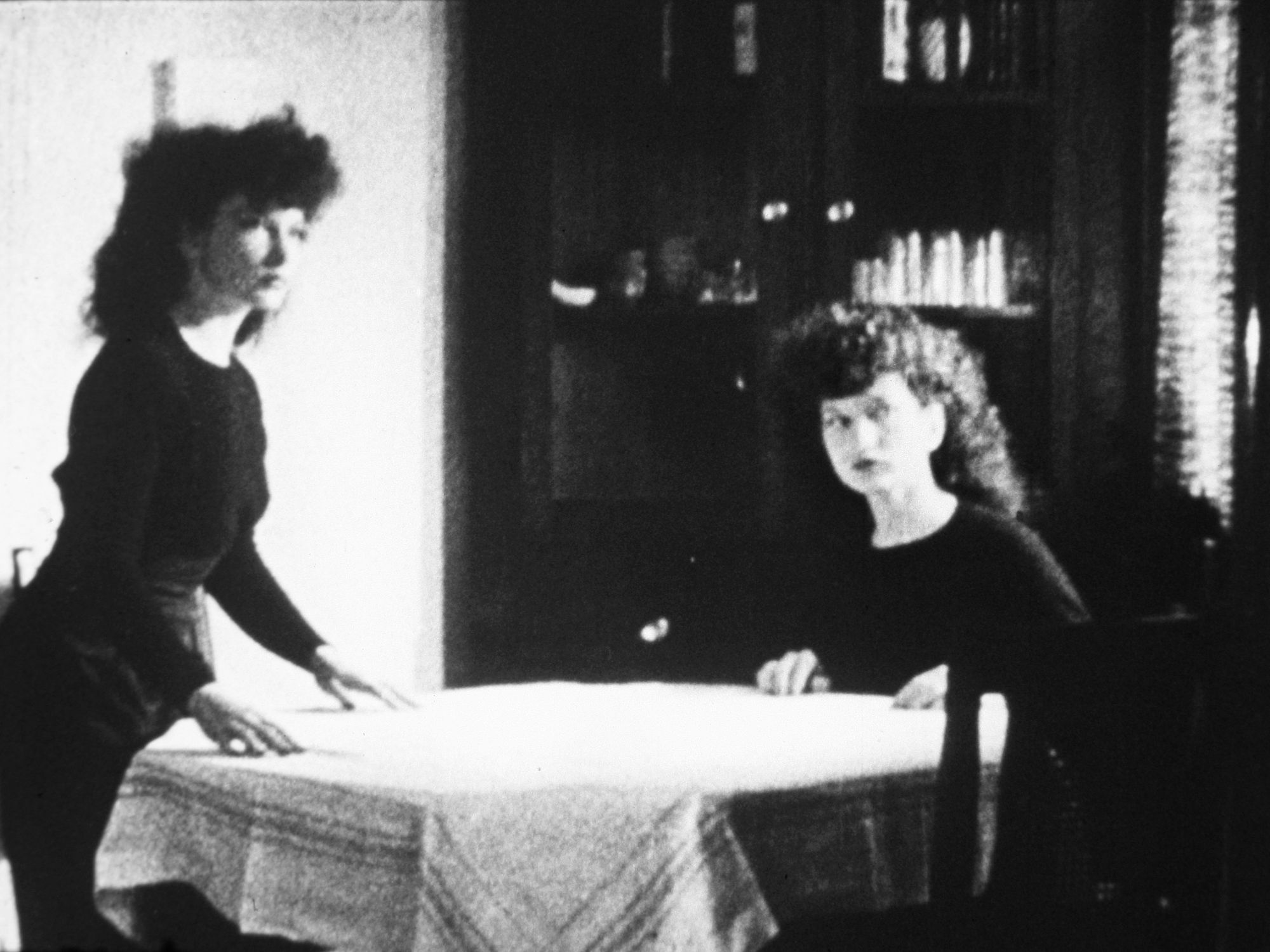
Their testimonies are voiced by actor Anastasiia Seheda in a register that invokes the figure of Cassandra—a prophet condemned to speak truths that would go unheard. This framing underscores the way in which experiences of war can be recounted and yet remain difficult to acknowledge or comprehend, contributing to the silence that often surrounds war trauma. Her feminine narration also interferes with the dominant image of war as a male domain, signifying its impact on Ukrainian society as a whole.
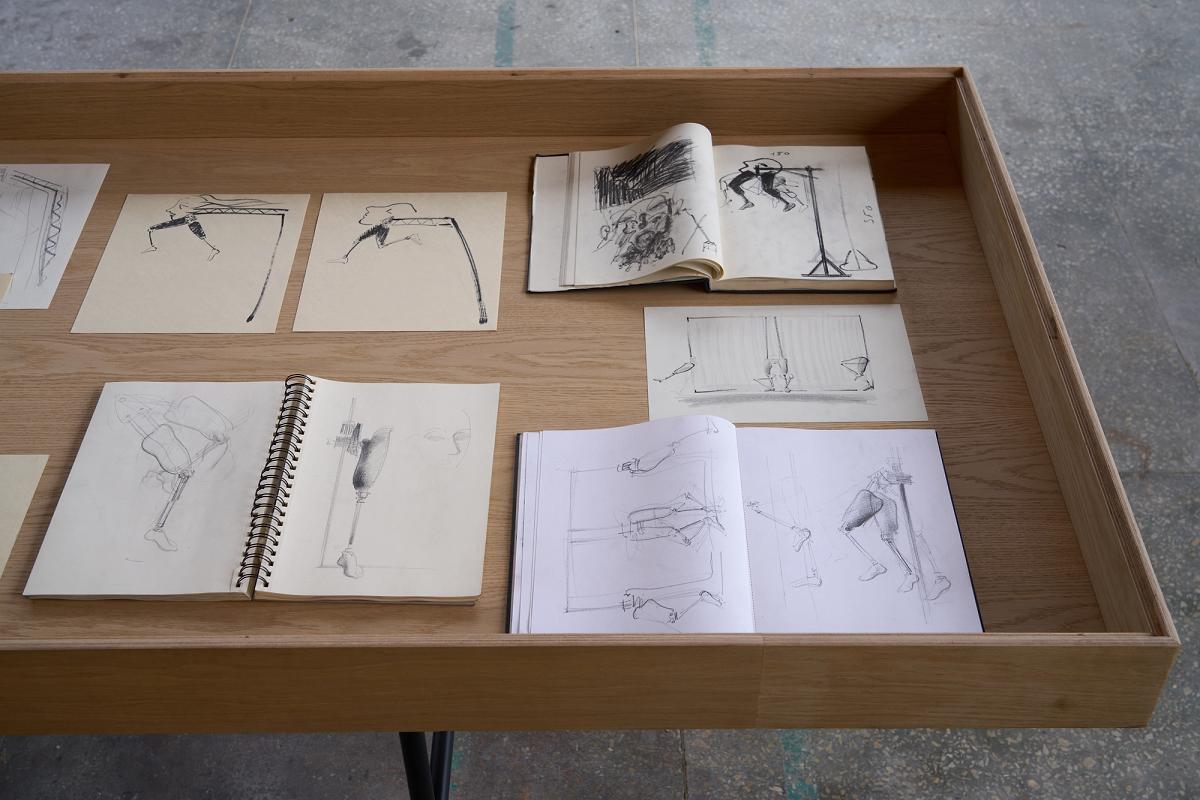
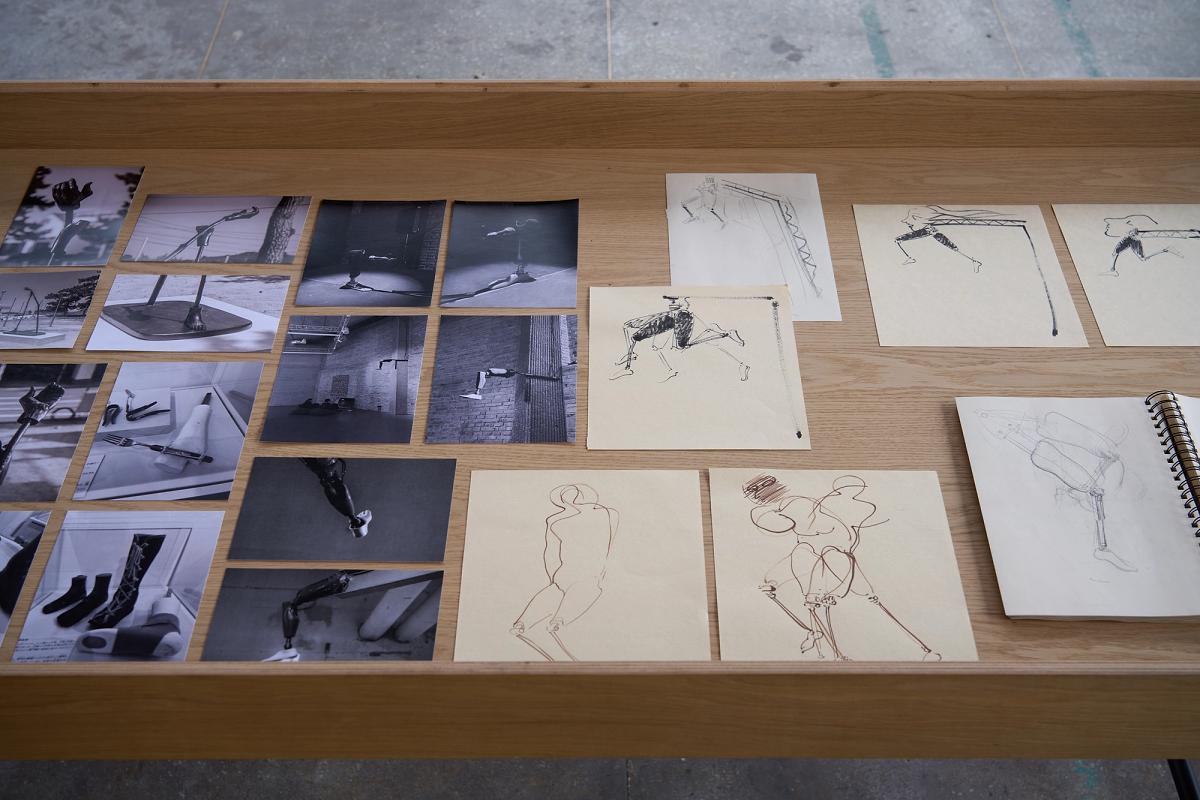
An accompanying archival display positions A New Integrity within a broader history of 20th century European art addressing war-induced disability. Historic pieces by Otto Dix, Heinrich Hoerle and Anatol Petrytsky are presented alongside the work of contemporary Ukrainian artists including Lucy Ivanova, Olena Subach, Mykhailo Palinchak and Marta Syrko, whose practices respond to Russia’s ongoing full-scale invasion of Ukraine.
The public program for A New Integrity will convene art historians, writers, psychologists, artists and veterans to discuss representations of war, injury and rehabilitation in European cultural history, and in contemporary Ukrainian public discourse.
“War trauma is a violation of integrity. Ranging from human-anatomical to state-territorial, the physical absence of a limb through war is a manifestation of this violation. What prosthetics allow for is a functional substitution of the limb, giving voice to an absence while also reassembling the body. But equal substitution is impossible in principle. A New Integrity questions what integrity means, whilst also resisting any attempt to reduce a person to a representation of their trauma.”
– Nikita Kadan
“In-depth interviews were conducted with veterans, with a focus on immersion in their subjective experience. An interpretative phenomenological approach was embedded at the initial stage of interaction: questions were formulated openly and flexibly to allow respondents to independently articulate meanings that were significant to them, rather than fitting their experiences into predefined categories. During the interviews, attention was paid not only to events themselves, but also to how they were experienced on bodily, emotional, and social levels, with minimal researcher intervention into interpretation at the moment of narration. At the same time, the process was accompanied by ongoing intersubjective reflexivity (Mohler & Rudman, 2022) regarding my own position: navigating between the roles of an “insider” (through professional involvement) and an “outsider” (as a person without similar lived experience). I consciously bracketed my own experiences and assumptions to avoid substituting them for the voices of respondents. This involved critically reflecting on the influence of my own values, access to resources, and position, as well as striving to remain sensitive to the diversity of experiences and not reduce them to universalized explanations.”
—Sofiia Lavreniuk